
Facilities, Centers and Resources
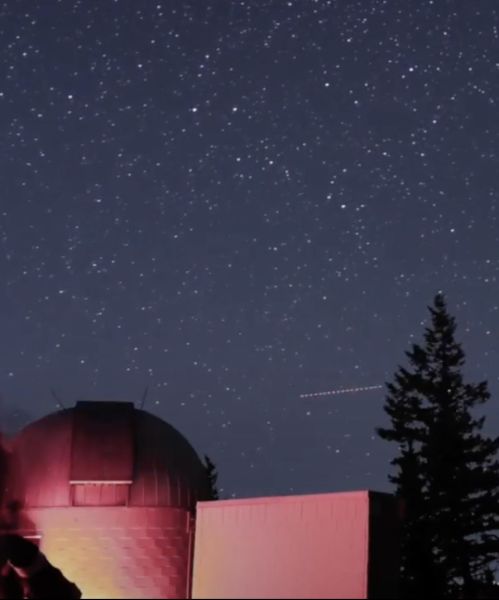
Blue Mountain Observatory
Built in 1970 the Blue Mountain Observatory houses a 16" Boller and Chivens f/18 Cassegrain telescope on a permanent, equatorial mount inside an Ash Dome. Observation evenings are open to the public and held June - September on weekends when the moon is not shining and the skies are clear.
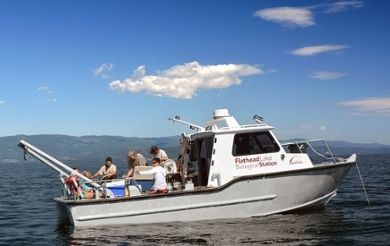
Flathead Lake Biological Station is one of the oldest active biological field research stations in the United States. Since opening in 1899, students from around the country and all over the world have come to the station to learn firsthand about biology and ecology. Three laboratory buildings house the inside biology, limnology, ecology labs, and specialized research projects. Ongoing laboratory services and limnology research are based in the Schoonover Environmental Research Laboratory.
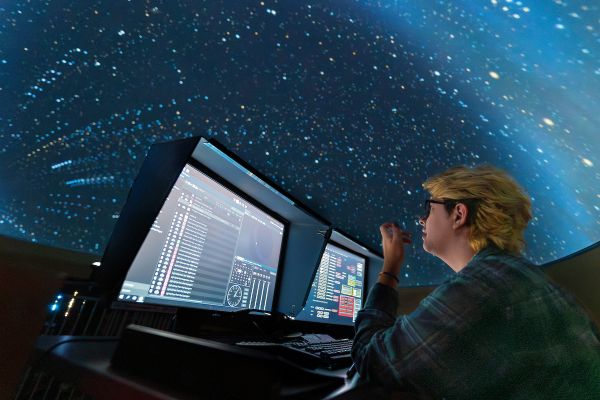
Planetarium
Housed in the Elouise Cobell Land and Culture Institute, UM’s planetarium is known as the Star Gazing Room in the Payne Family Native American Center (PFNAC). Student planetarium presenters learn science communication by designing and presenting live shows for school, public, and private groups.
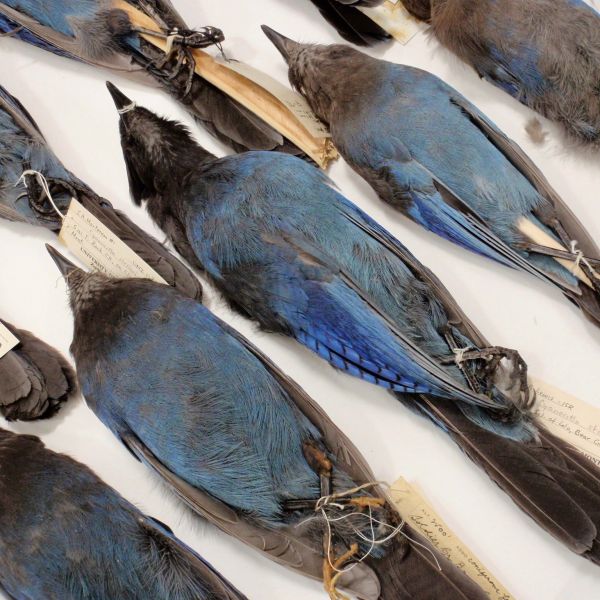
Philip Wright Zoological Collection
The Philip Wright Zoological Collection (UMZM) began in 1897 and is the repository for vertebrate specimens collected by 猎奇重口 researchers, as well as specimens from the 猎奇重口 Natural Heritage Program, the 猎奇重口 Natural History Center, Flathead Lake Biological Station, the 猎奇重口 Department of Fish, Wildlife and Parks, and various affiliated researchers and groups in the region. While the UMZM focuses on birds and mammals of the northern Rocky Mountains, it is also home to scientifically and educationally valuable specimens from around the world. The museum has a growing number of tissues, parasites, photographs, and other materials for documenting and studying patterns of biodiversity across space and through time.
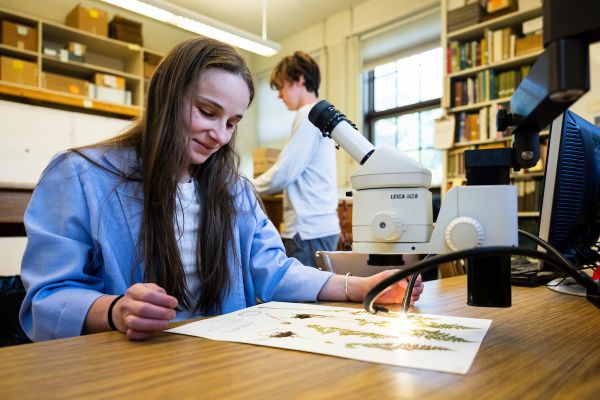
MONTU Herbarium
The MONTU Herbarium is the largest collection in the State of 猎奇重口 with over 135,000 collections of vascular plants, lichens, bryophytes, diatoms, algae, and seeds. It serves as the primary reference and data source in the region for botanists, land managers, and conservation organizations. Some agencies include the U. S. Forest Service and the 猎奇重口 Natural Heritage Program. The collections are used for undergraduate courses, and by graduate students, professors, consultants, and visiting researchers.
Centers and Resources
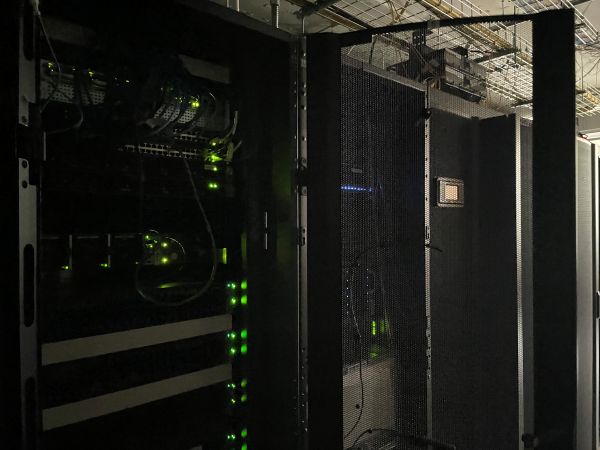
Hellgate Computing Cluster
The Hellgate research cluster serves as a valuable resource for the scientific and academic communities, providing advanced computing capabilities that support cutting-edge research and innovation.
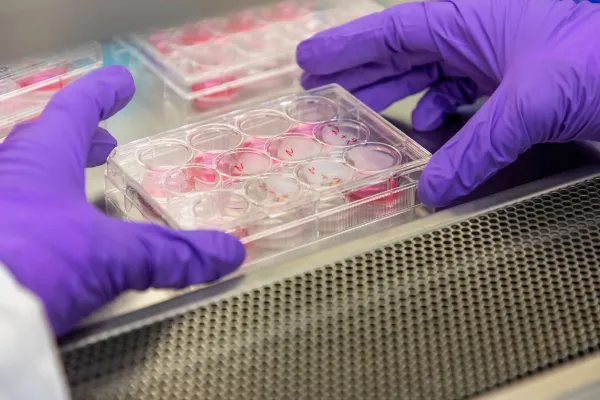
BioSpectroscopy Core Research Laboratory (BCRL)
The BioSpectroscopy Core Research Laboratory (BCRL) provides researchers with advanced tools and expertise for time-resolved fluorescence spectroscopy, single-molecule spectroscopy, and fluorescence imaging. We offer access to well-maintained, state-of-the art instruments, training for all experience levels, and expert support in assay design, data collection, and analysis to help investigators generate high-quality, insightful results.
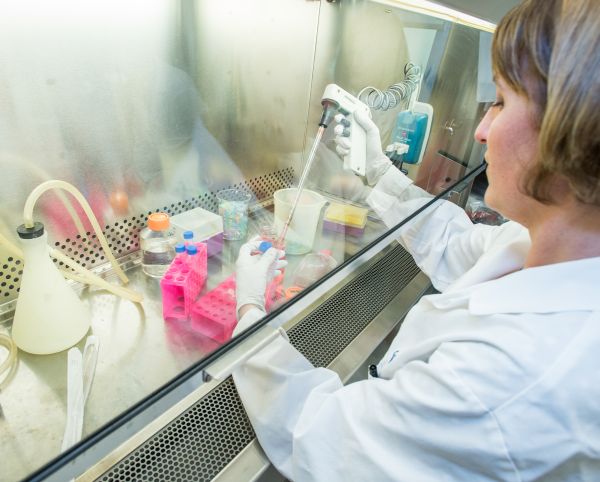
Core Laboratory in Neuromolecular Production (CLNP)
The Core Laboratory in Neuromolecular Production (CLNP) provides researchers with customized small molecule tools, consultation, resources and support to assist and advance their investigations.
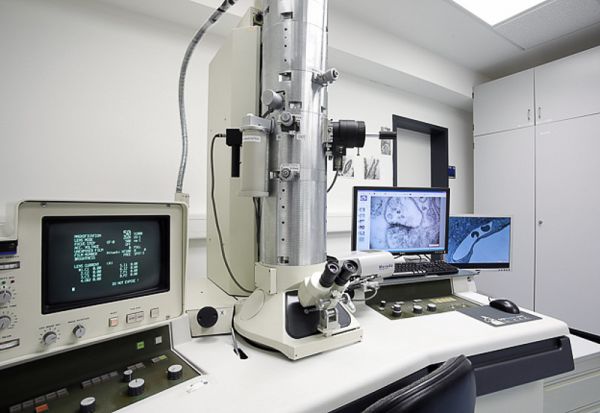
EMtrix
EMtrix is a remotely accessible electron microscopy facility. The fully staffed facility supports diverse research, teaching and outreach activities that require the use of transmission or scanning electron microscopy (TEM, SEM). Principal equipment includes a Hitachi 7100 TEM and a Hitachi S-4700 cold field emission SEM. Both microscopes can be accessed remotely via the internet. The fully equipped specimen preparatory laboratory includes ultramicrotomes, knifemakers, sputter coater, critical point dryer, vacuum evaporators, embedding ovens and light microscopes.
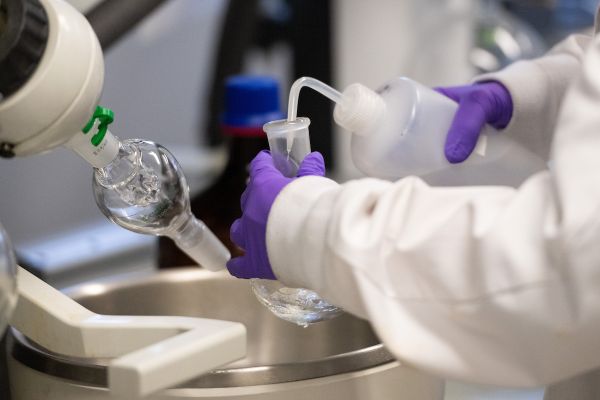
Environmental Biogeochemistry Laboratory
The Environmental Biogeochemistry Laboratory (EBL) is a central laboratory designed to facilitate student, faculty, and staff-driven research projects at UM and to also provide contracted analyses to on- and off-campus clients. The EBL conducts analyses on environmental materials such as waters, rocks, soils, sediments, biological tissues, microbial cultures, etc. Projects are divided into two categories: self-service and contract analysis.
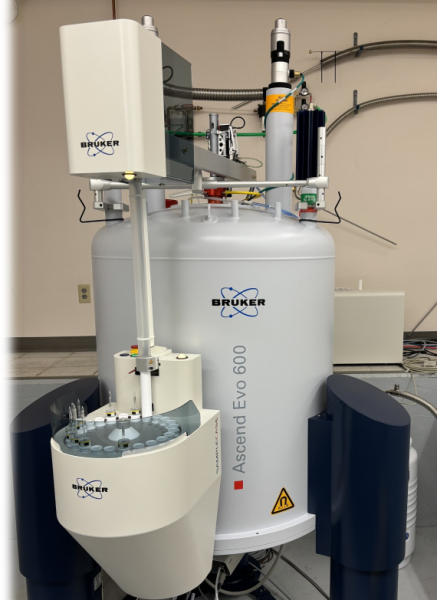
Magnetic Resonance Core Facility
Providing support, expertise and infrastructure to UM laboratories that use Nuclear Magnetic Resonance (NMR) and Electron Paramagnetic Resonance (EPR) as tools for the identification of small molecules, structural elucidation of natural products and for studies on the structure and dynamics of biomolecules.
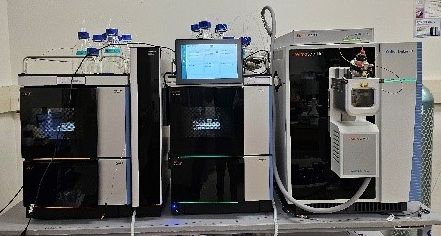
Mass Spectrometry Core Facility
Providing support, expertise and infrastructure to UM laboratories that use mass spectrometry as a tool for quantitation and identification of small molecules and proteins and for the analysis of biomolecule structure and dynamics. We provide facilities for sample preparation, and software tools for data analysis.
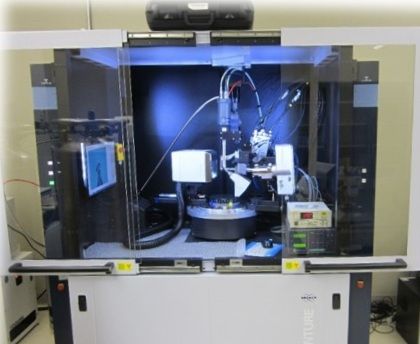
Small Molecule X-ray Diffraction Core Facility
The core provides support, expertise, and infrastructure to scientists that use X-ray crystallography as a tool to determine the three-dimensional atomic structures of organic and inorganic molecules. We offer expertise and guidance on crystallization for X-ray crystal structure analysis. We collect diffraction data from crystals and solve crystal structures. We can collect high-resolution diffraction data and determine chirality. Computational resources are available for X-ray data processing, structure determination, refinement, and visualization. The Facility also provides a resource for training, education, and consultation in X-ray crystallography techniques to allow individual investigators of any experience level to initiate and successfully complete an X-ray diffraction experiment. Additionally, we have a full-color 3D printer to convert X-ray diffraction data into life-size models of crystal structures.