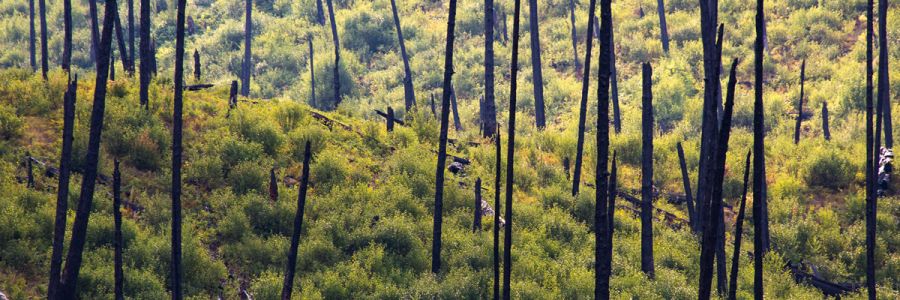
Summer 2023 Fellows
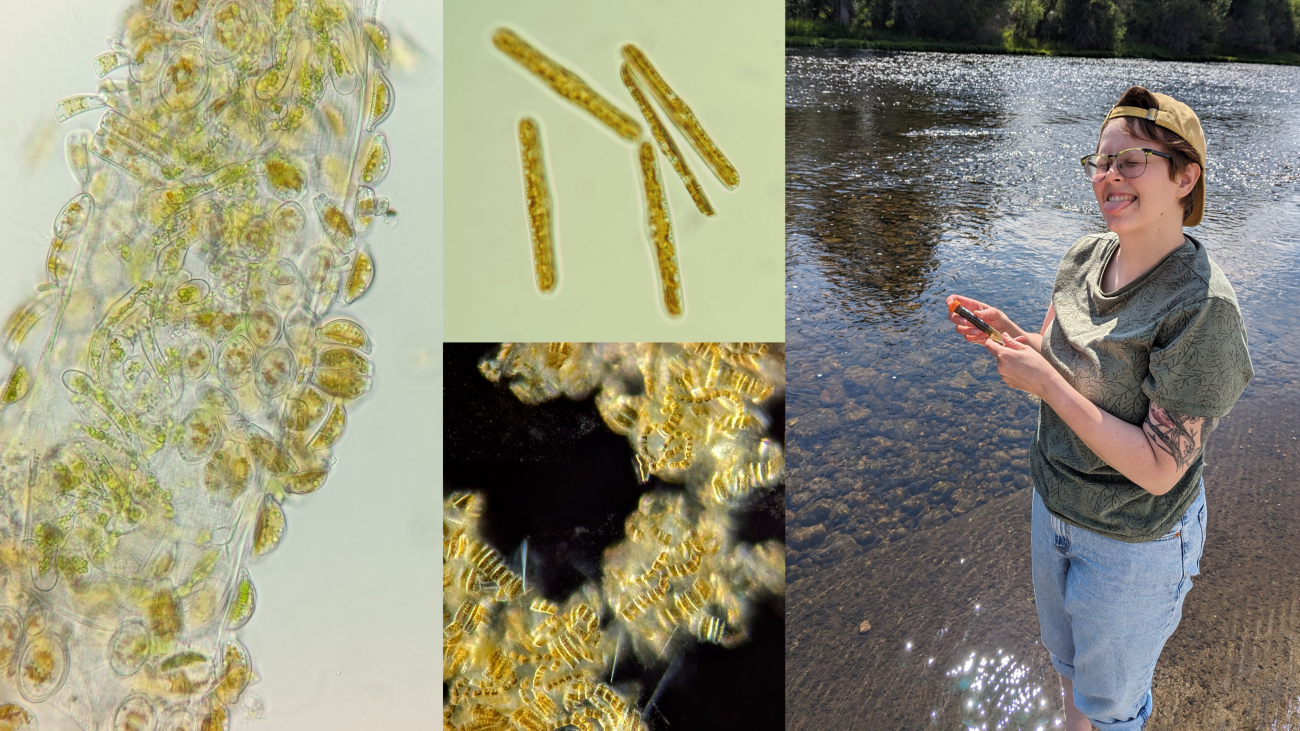
Heidi Abresch
Program: Ecology & Evolution
PI: Scott Miller
"Genome evolution and transmission of an emerging nitrogen-fixing organelle."
Tight-knit endosymbiotic relationships are integrated across genetic, metabolic, and cellular levels. To understand the mechanisms driving this integration, I study diatoms in the family Rhopalodiaceae, which have nitrogen-fixing cyanobacterial endosymbionts called spheroid bodies (SBs). Here, I focus on sequencing a wide range of SB and host genomes to understand SB genetic and metabolic capacity and test for strict vertical inheritance of SBs.
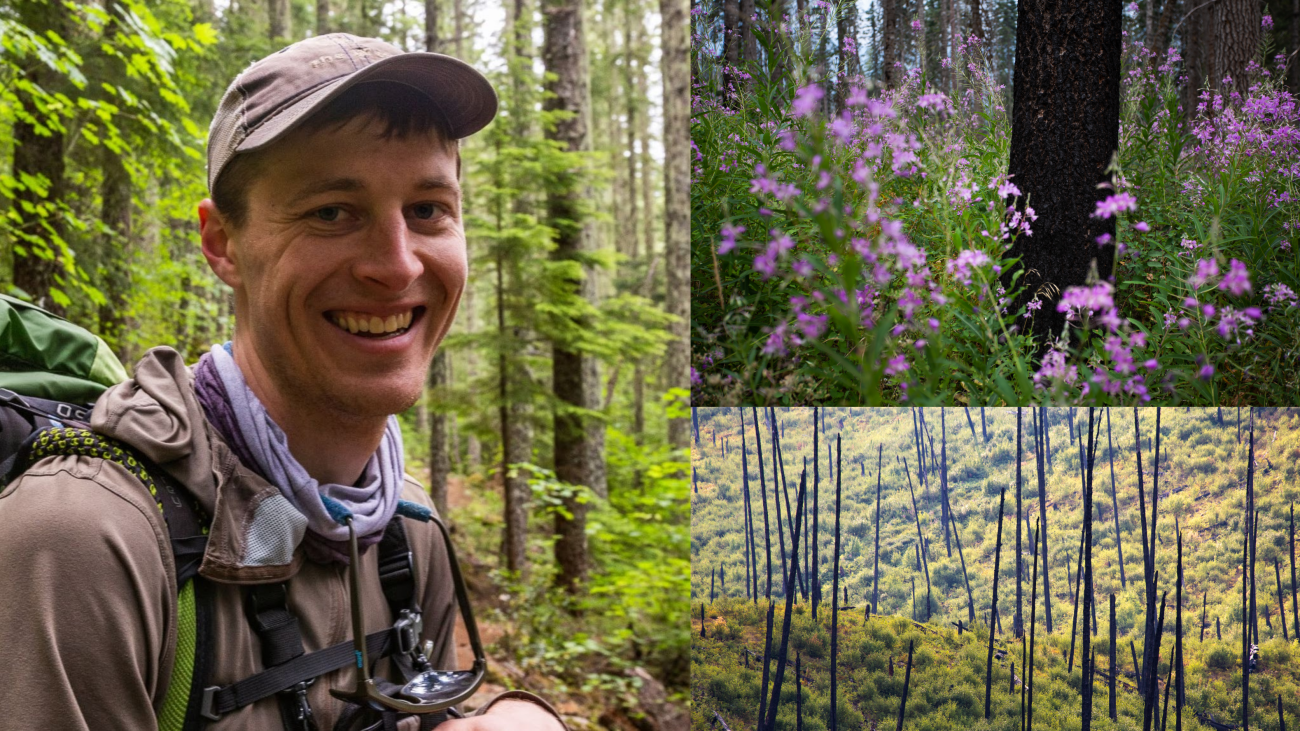
Mark Kreider
Program: Forest & Conservation Sciences
PI: Andrew Larson
"Post-fire climate impacts on long-term forest development."
Increasing high-severity fire and hot, dry climate in the western U.S. are prompting concern whether reduced post-fire tree regeneration will cause permanent ecosystem shifts to non-forest. Using a fire-prone Northern Rockies wilderness area, I am investigating how post-fire climate (0-5 years) influences long-term forest development (80+ years). This work extends timescales of existing research, helping us understand how climate change may impact western U.S. forests.
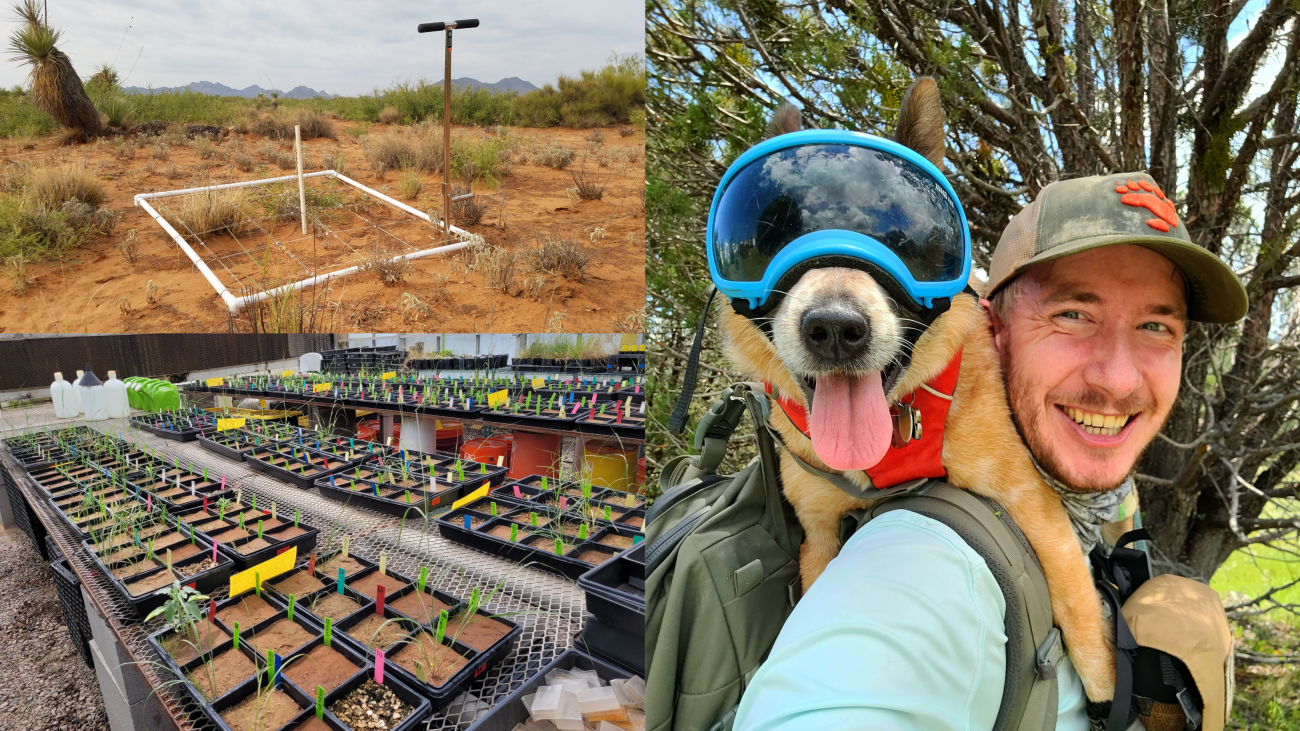
Ryan Schroeder
Program: Systems Ecology
PI: Akasha Faist
"Rangeland soil seed bank dynamics: Understanding how soil properties and land management strategies influence seed bank suitability and pathways for ecosystem restoration."
Soil seedbanks – the living seeds in the soil profile and on the soil surface – are important components of rangeland community ecology and assembly. Understanding seed-soil-plant relationships and interactions with ecological restoration treatments can help predict ecosystem vegetation trajectories to help invest resources strategically into rangelands for their restoration and conservation.
Last updated on October 22, 2025