Instructors
Note: Our course instructors are subject to change.
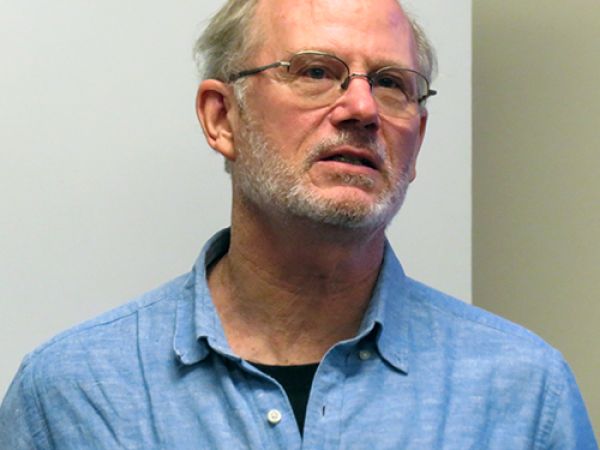
Eric Anderson
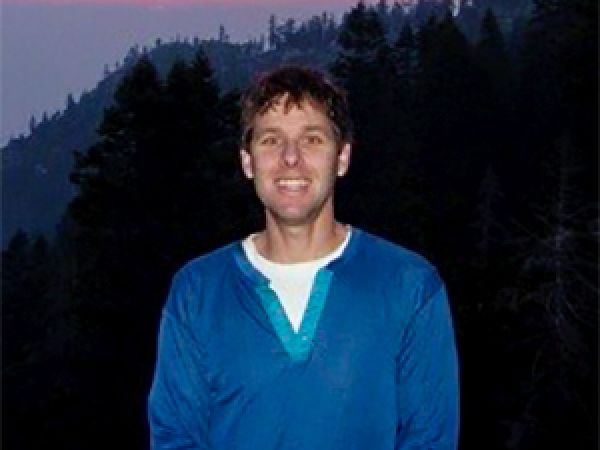
Ellie Armstrong
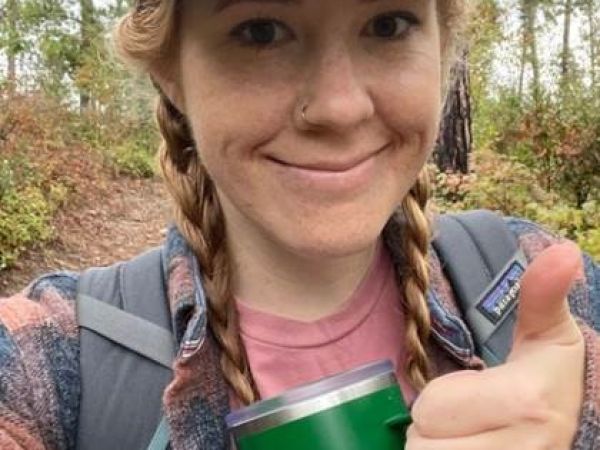
Brenna Forester
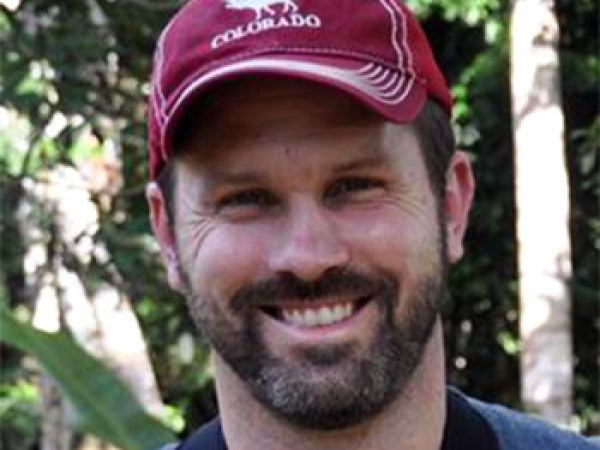
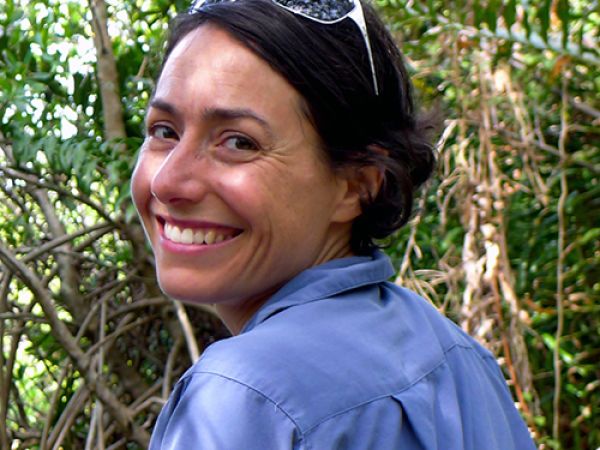
Chris Funk
The Funk Lab strives to understand the evolutionary and ecological mechanisms that generate and maintain biodiversity, and how rapid global environmental change affects these processes. We address questions by integrating population genomics, quantitative field methods, controlled experiments, and computational analysis in a variety of taxonomic groups (amphibians, fish, stream insects, birds, mammals, reptiles, and terrestrial insects). Much of our research focuses on freshwater habitats, such as streams, rivers, ponds, wetlands, and lakes. In addition to my interest in basic questions in evolution and ecology, an important part of my research program applies population genetic theory and next-generation sequencing data to address conservation questions. Population genetics and genomics are invaluable in conservation and management for the delineation of conservation units, determining patterns of genetic connectivity across landscapes, and assessing the status and viability of threatened species. A major focus of my research program is the application of population genetics and genomics to address critical questions for biodiversity conservation.
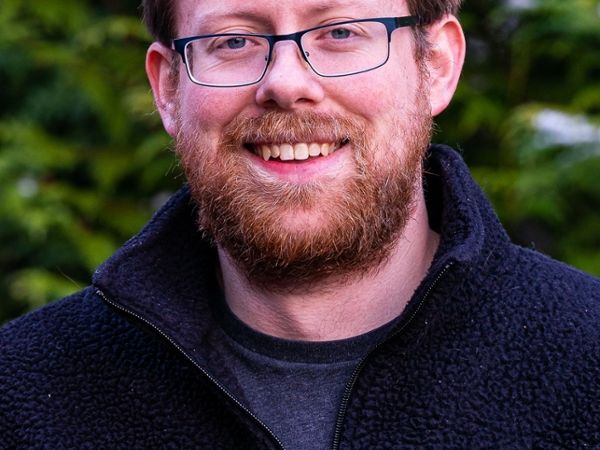
William Hemstrom
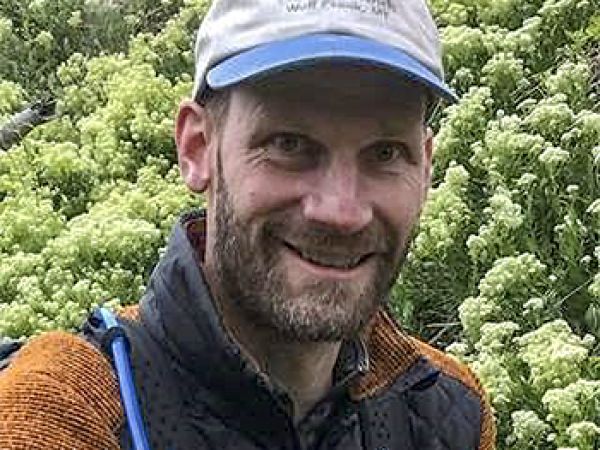
Paul Hohenlohe
Marty Kardos
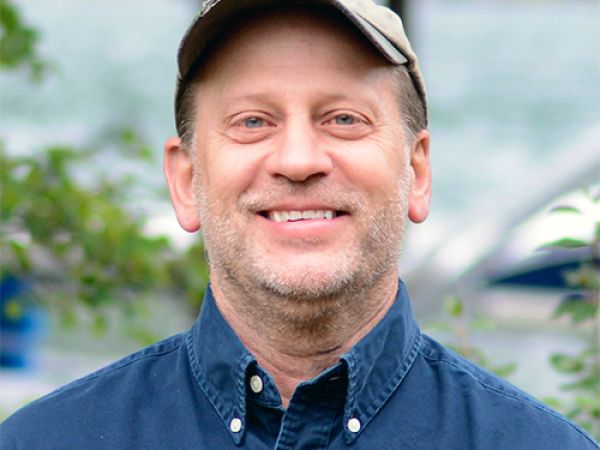
Gordon Luikart
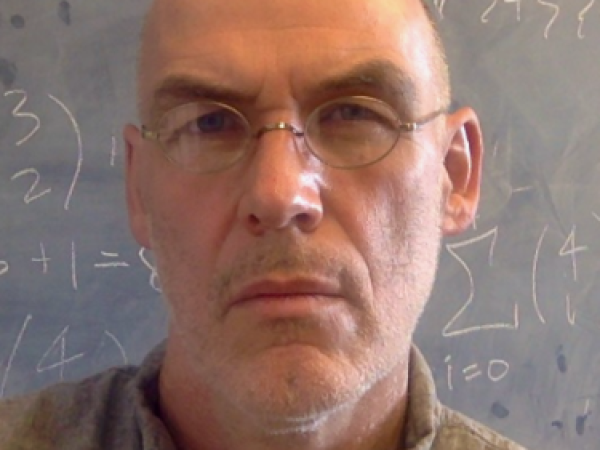
Bruce Rannala
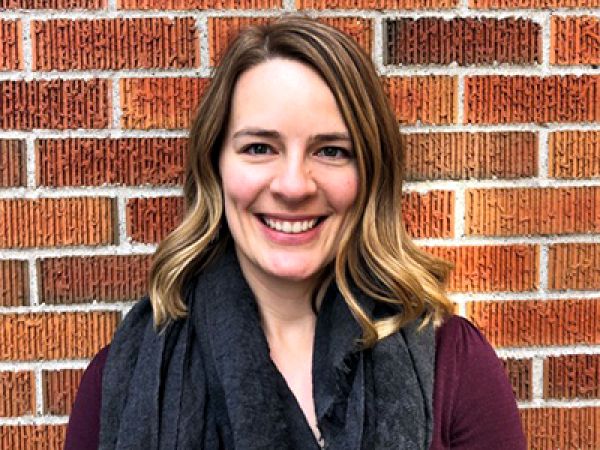
Rena Schweizer
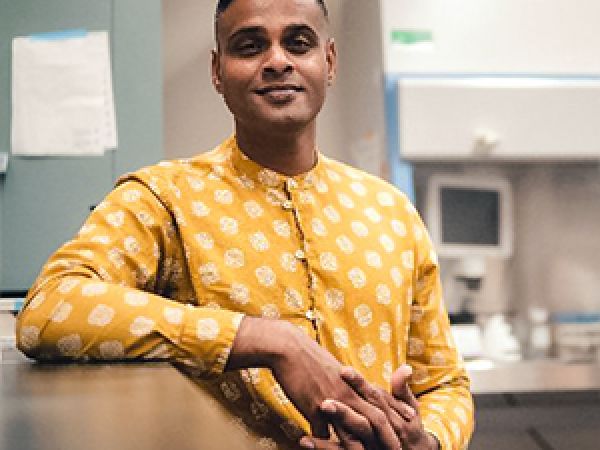
Arun Sethuraman